
Posted on

Axolotl sizes: what is the difference between a mini, dwarf and short toes axolotl?

Dwarfism

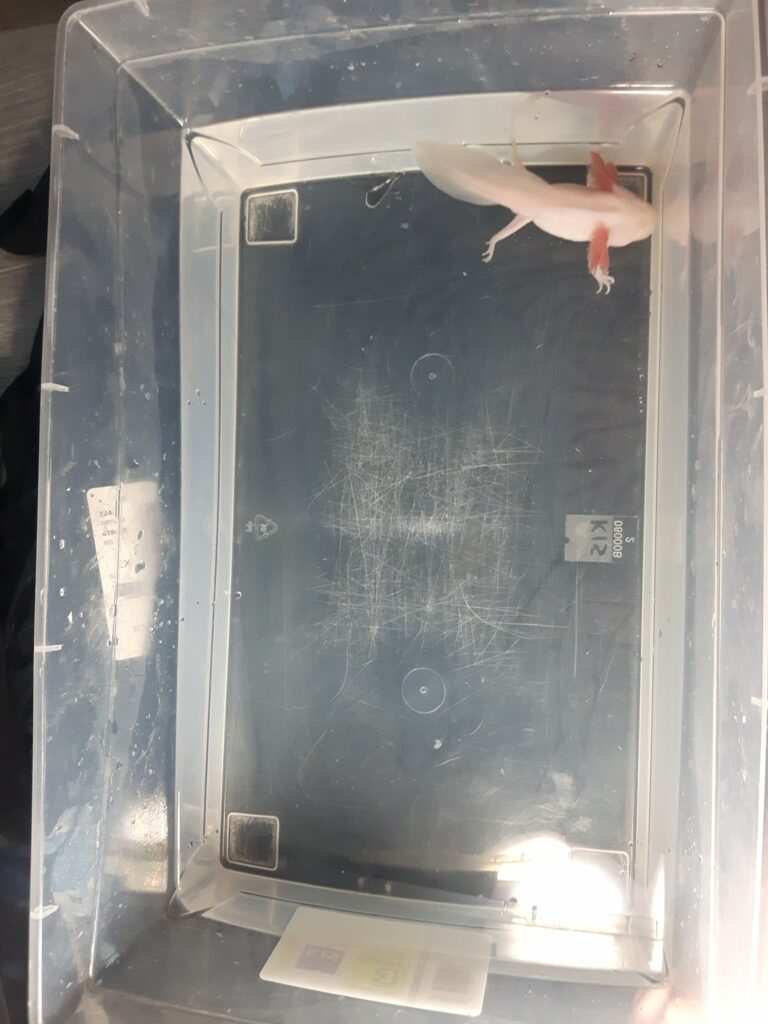
MissPiggy, a four-month-old dwarf axolotl. Photo: Briitney Alyssah Darlene Long
This picture of Tadpole, a dwarf axolotl, shows the added strain that the condition puts on female axolotls’ bodies when gravid. Photo: Patricia’s Gill Babies

Dwarfism is a genetic condition which causes a foreshortening of the chest area and a smaller than usual adult size. Limbs may also appear shorter than usual, although the axolotl’s fingers and toes keep a normal appearance. Dwarfism can lead to health issues and shortened lifespans, particularly in females, due to the large number of eggs they carry. Dwarf axolotls should never be allowed to breed, and may need to be housed separately to avoid getting picked on by larger adults.

‘Mini’ features
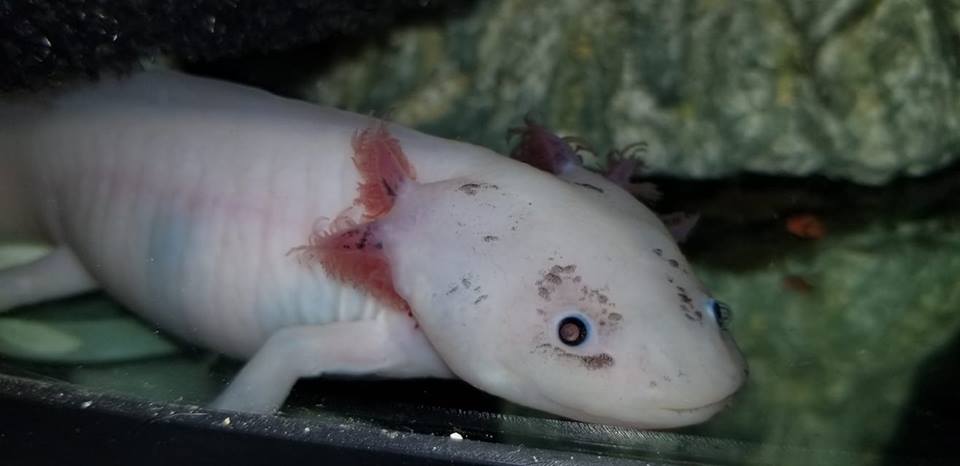
Ravyn the mini axolotl only reached an adult size of six inches. Photo: Patricia’s Gill Babies

A mini axolotl is one whose growth stops before reaching adult size, which can be the result of genetic issues (often due to inbreeding) or stunting due to poor husbandry. Minis may be normally proportioned, or have a somewhat smaller than average tail, with normal chest and limbs. Just like dwarves, minis may require separate housing, and it is preferable not to breed them.

Short toes syndrome
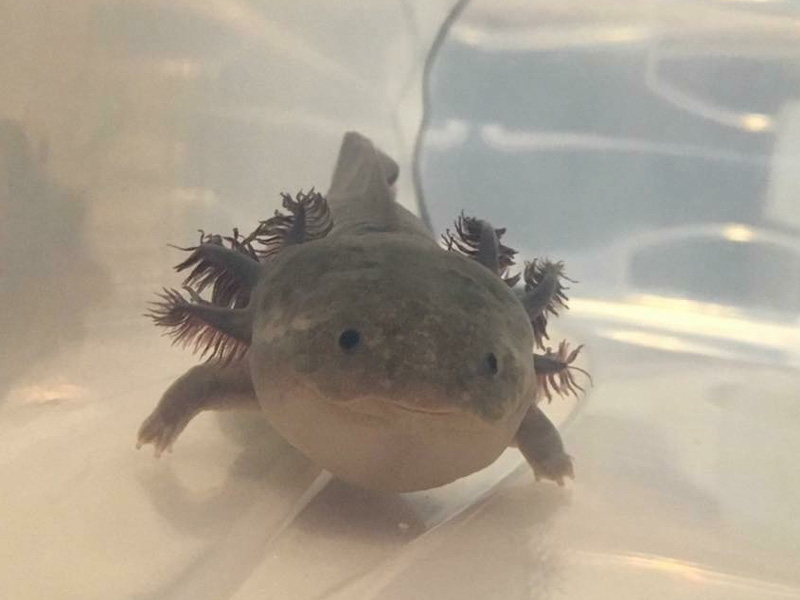
Axolotl suffering from short toes syndrome. Unfortunately, some unscrupulous breeders take advantage of this painful and deadly condition by marketing the afflicted animals as “dwarf axolotls”. Buyers beware! Photo: Amanda Gomes

Axolotls with short toes syndrome look similar to dwarves, but they have short fingers and toes that give their hands and feet a padded appearance. Over time, they develop a pudgy appearance due to oedema, an accumulation of interstitial fluid within the body tissues, which causes bloating of the entire body (pictured above). Short toes syndrome is a very serious and irreversible condition which invariably leads to painful oedema, hemorrhages and organ failure. To prevent unnecessary suffering, axolotls affected by this condition should be euthanized as soon as the condition is detected.

Posted on

Axolotl Diseases

This page was sorely due for an update, so I’m taking it offline for a bit. Sorry for the inconvenience. Please contact a veterinarian if your axolotl:

  • looks sick, injured or distressed
  • is frantically swimming upwards, as if trying to get out of the water
  • has been refusing food for a week or longer
  • is losing weight
  • is staying in a haunched posture
  • shows swelling or bloating around the limbs and/or neck
  • has fungus growing on a limb, especially following a bite or other injury
  • has swallowed gravel, marbles, rocks, or Indian almond leaves

This is not an exhaustive list. Please use common sense! The vast majority of axolotl health issues are caused by improper husbandry, often due to misinformation. Please take some time to review the basics of axolotl care on this website. I recommend starting with the Aquarium 101 section and the Axolotl Care Sheet.